
Autumn 2025 events
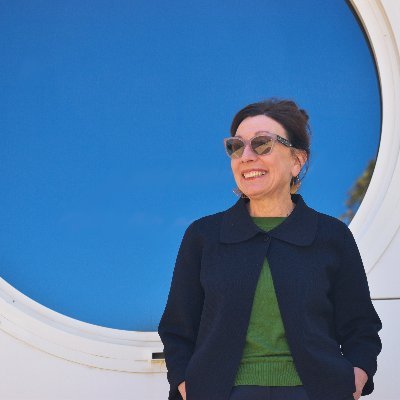
Everyday aesthetics in place and memory: an alternative economy of heritage abundance
- 4:00 – 5:30pm, Wed 10 Sep, 2025
- D1, Pathfoot Building, University of Stirling
- Hybrid event (in person & online)
Stream opens 15:50 Join online
Professor Ireland will examine the aesthetics of everyday
heritage – exploring the value in ordinary things and places from
daily life, not just rare beauty. In its ordinary abundance, everyday
heritage relies on an aesthetic transformation of the insignificant
that challenges the neo-liberal paradigm of cultural heritage as a
scarce commodity. Held jointly with the University of Stirling Centre for Environment,
Heritage and Policy.
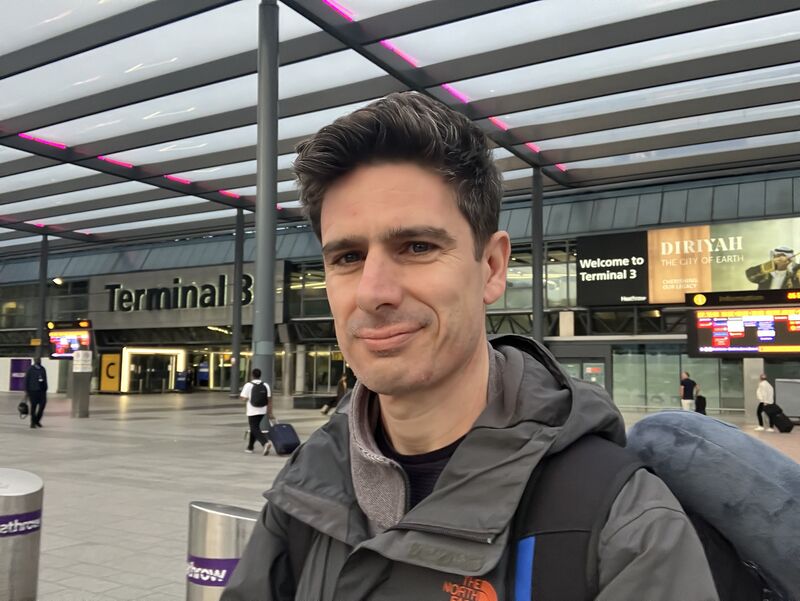
Studying Navigation in
Cities and on the Ocean
- 3:00 – 4:30pm, Fri 12 Sep, 2025
- D1, Pathfoot Building, University of Stirling
- Hybrid event (in person & online) Stream opens 14:50 Join online
Professor Spiers presents research on human spatial navigation in cities and at sea. Projects include Sea Hero Quest, over four million people were tested on their navigation ability in a virtual navigation task; route-planning insights from licensed London taxi drivers; and results from navigation tests with more than 100 participants in a full-scale fabricated art-gallery maze. Also, preliminary insights from the Voyage to Aur project where researchers sailed the Pacific Ocean collecting continuous spatial estimates from indigenous sailors from the Marshall Islands.

Workshop—Amnesia and Identity—with Carl Craver
- 2:00 – 6:00pm, Wed 24 Sep, 2025
- 9:30 – 3:00pm, Thu 245Sep, 2025
- University of Stirling
- Hybrid event (in person & online)
- Stream opens 10 minutes before each session
- Workshop schedule
This workshop addresses themes from the forthcoming Oxford University Press book Living without Memory: amnesia and the lives of persons by Carl Craver and R. Shayna Rosenbaum. Speakers include Andrea Blomkvist (Philosophy, Glasgow), Rachael Elward (Psychology, London South Bank University), Christoph Hoerl (Philosophy, Warwick) and Teresa McCormack (Psychology, Queens University Belfast), Michael Kopelman (Neuropsychiatry, King’s College, London), Catherine Loveday (Psychology, University of Westminster), Gema Martin-Ordas (Psychology, University of Stirling), Clare Rathbone (Psychology, Oxford Brookes) and Louis Renoult (Psychology, UEA)
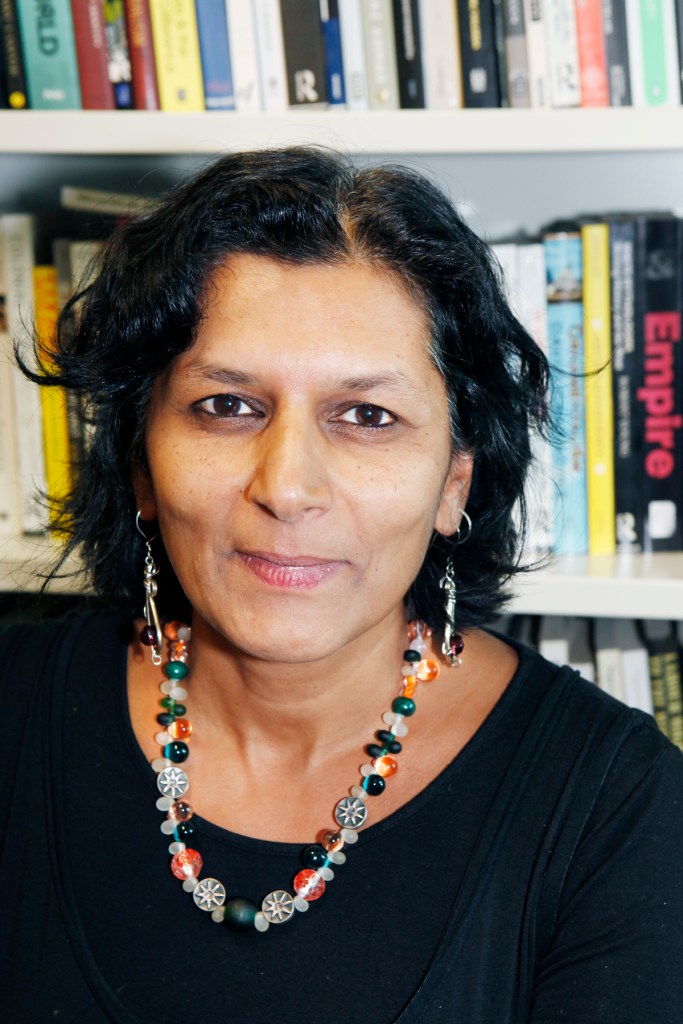
Confronting Colonial Imaginaries – stories of a postcolonial road trip
- 4:00 – 5:30pm, Wed 1 Oct, 2025
- D1, Pathfoot Building, University of Stirling
- Hybrid event (in person & online) Stream opens 14:50 Join online
In 1955, two young Indian travellers, Professor Uma Kothari’s parents, sailed from Mumbai to Southampton, then drove a Morris Minor back to India. Set in the post-war, post-Independence moment, this talk blends memoir and historical geography to reveal the cultural, political and historical moment in which they travelled. It shows how colonial imaginaries of Britain were challenged and reworked, and how new postcolonial friendships formed beyond Europe. Crucially, from a rare non-Western viewpoint, the account confronts dominant historical narratives of travel.

Norming Human Individuality—the significance of eugenification
- 4:00 – 5:30pm, Wed 08 Oct, 2025
- D1, Pathfoot Building, University of Stirling
- Hybrid event (in person + online)
There is debate over whether relatively recent transformations to human sociality constitute an evolutionary transition in individuality (ETI). Professor Rob Wilson explores three forms that norming of human individuality takes: racialization, eugenification, and transhumanization. Such aggressively antagonistic norming relies ultimately on a distinction between better and worse forms of human individuality, with the corresponding evaluations informing meliorative projects of human improvement. The concept of eugenification provides a key to understanding both racialization (in the past) and transhumanization (in the future).

Migrant Heritage-Making in Parramatta, Sydney, Australia
- 4:00 – 5:30pm, Tue 21 Oct, 2025
- D1, Pathfoot Building, University of Stirling
- Hybrid event (in person + online)
- 15:50 join online
Australia’s heritage management regime is strongly biased in favour of heritage places that represent the eras of British colonisation, which followed the invasion of Indigenous Country in 1788, and the White Australia policy. In this presentation, recent research in Parramatta is reported, drawing on in-depth semi-structured interviews, a photo survey, and focus group discussions with first- and second-generation Chinese and Indian migrants. The study examines how heritage-making intersects with homemaking, advocating for an approach to heritage listing that attends to the often small-scale and ephemeral materialities of migrant lives.
Past events
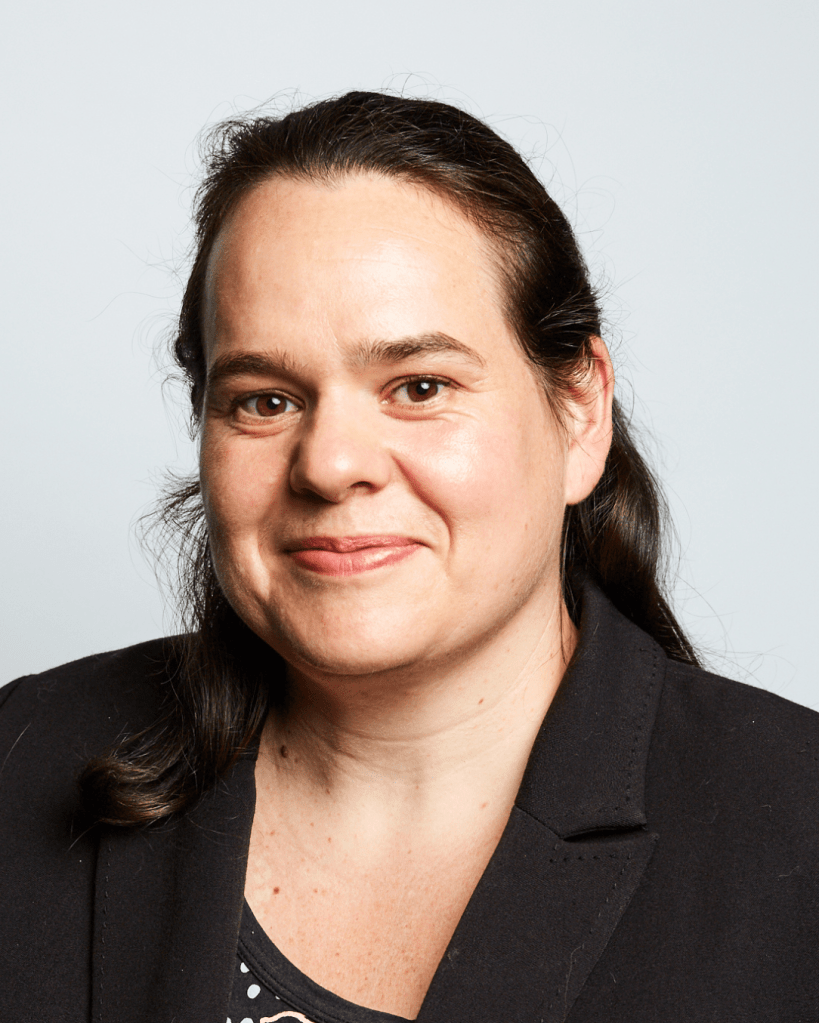
Memory Scaffolding: from theory to practice
Associate Professor Celia Harris
- 3:00-4:30pm, Thursday 5 June, 2025
- Psychology Common Room, Cottrell Building C3A94 , University of Stirling
- Streaming on MS Teams CeliaHarris
Theoretical approaches from philosophy and cognitive science emphasise how experience, cognition, memory, and self are embedded within and distributed among the social and material environment. This ‘scaffolding’ perspective implies that the characteristics of the social and material environment are critical for cognition. This perspective provides new avenues for supporting people to age well, by maintaining and even enhancing cognitive, psychological, and social functioning. In this talk, I discuss evidence from lab-based and field-based research on the ways in which the social and material environment can support memory as we age, including recent extensions to interventions within aged care.
Cognitive Aesthetics of Place
Workshop
- Memory, Imagination and the Stacked Ecologies of the Beach Read: from theory to practice – Keynote
- 3:00-5:30pm, Monday 9 June, 2025
- Room G32, 7 George Square, University of Edinburgh
- Online via Microsoft Teams
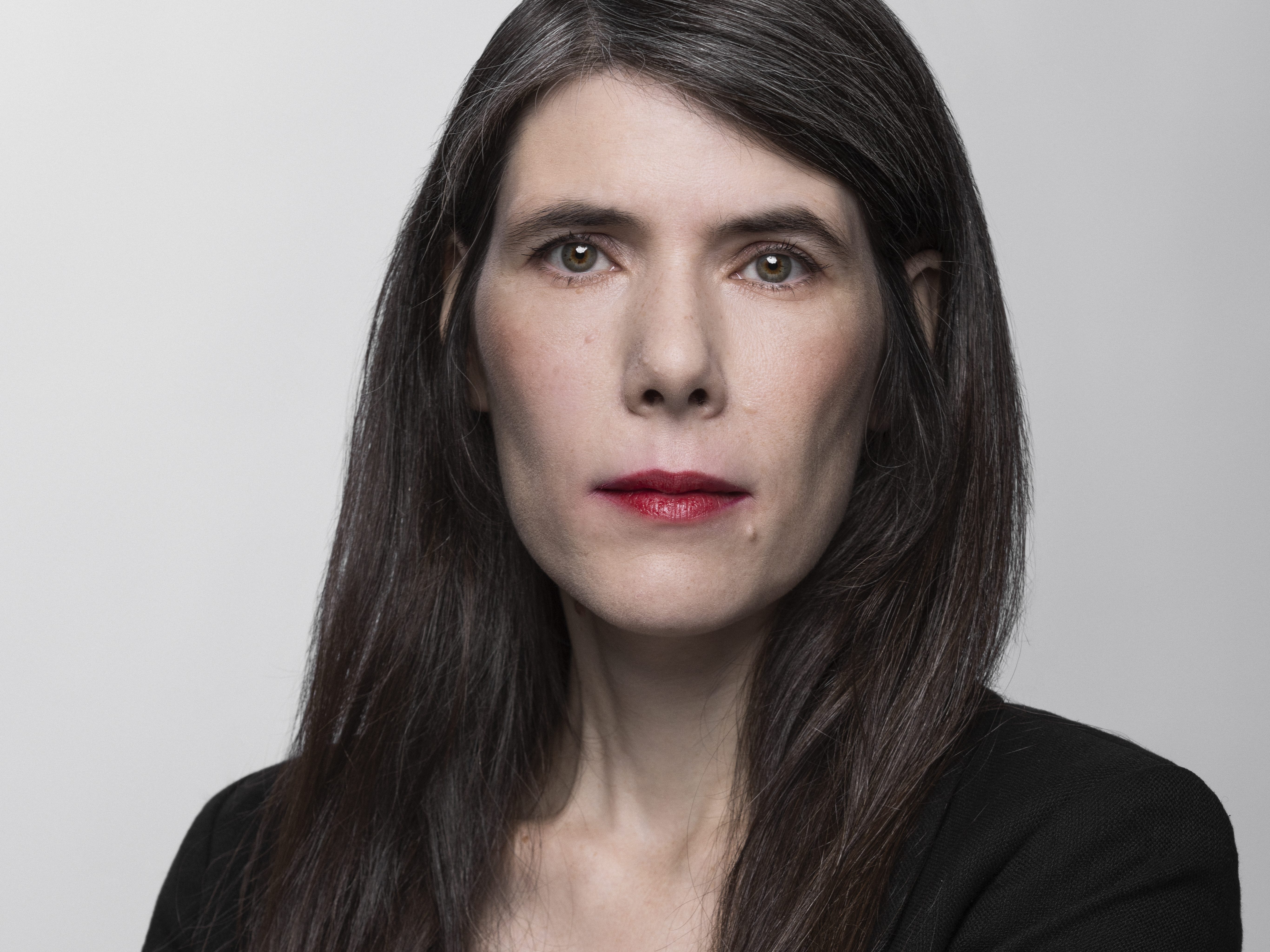
The beach read is a yearly ritual, publishers promote books for reading on the beach, and readers individually and collectively select their books for the occasion. Readers’ memory of place, their memory of reading experiences and the embodied experience of reading on the space of the beach intersect. Karin Kukkonen will discuss Sara Stridsberg’s recent novel Farewell to Panic Beach (2025), and the experience of reading it on a beach.
Karin is Professor in Comparative Literature at the University of Oslo, Norway. Her research revolves around literature and the human mind, investigating questions such as how literature entwines with our lifeworld, how it models consciousness and how writers work creatively.

Cognitive Aesthetics of Place
Workshop
Associate Professor Marco Bernini
- Metaleptic Tourism: permeability practices between fiction and reality – Talk
- 3:00-5:30pm, Monday 9 June, 2025
- Room G32, 7 George Square, University of Edinburgh
- Online via Microsoft Teams
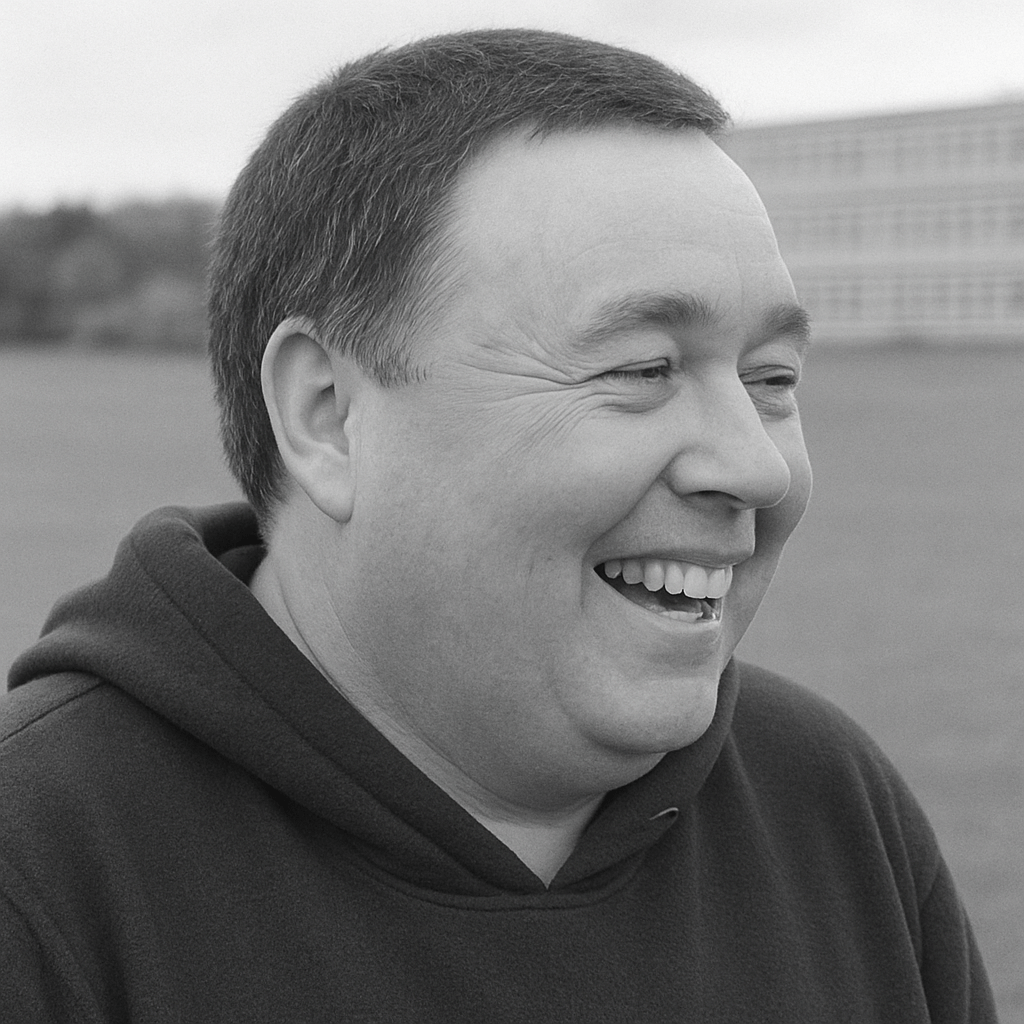
Why do we visit places tied to fictional worlds? Marco Bernini examines how narrative, cognition, and imagination drive tourism to film locations, museums, and symbolic sites — proposing that these ‘permeability practices’ reveal deeper structures of meaning-making between real and imagined spaces.
Marco Bernini is Assistant Professor of Cognitive Literary Studies at Durham University. He specializes in narrative theory, modernism, and cognitive approaches to literature. Marco leads the Narrative and Cognition Lab bringing together scholars from narrative theory, cognitive scientists (philosophers of mind, neuroscientists, psychologists, phenomenologists, neurobiologists), and creative artists to create a methodological catalyst for exploring narrative, cognition, and narrative cognition.
Cognitive Aesthetics of Place
Workshop
- The World is Yours: street art, psychological authenticity
and place – Talk - 3:00-5:30pm, Monday 9 June, 2025
- Room G32, 7 George Square, University of Edinburgh
- Online via Microsoft Teams
Street art challenges both legality and perception. Mike Wheeler rethinks its cognitive force through the lens of authenticity — showing how such artworks provoke place-specific, psychologically resonant encounters that disrupt habitual sense-making and invite new modes of engagement.
Mike Wheeler’s primary research interests are philosophy of science (especially cognitive science, psychology, artificial intelligence and biology) and philosophy of mind. His work has a strong interdisciplinary dimension with subjects ranging from AI to literary studies, from media studies to archaeology, from psychology to art and design.
Modern ruins. New heritages. Creative methods
- 4:00 – 5:30pm, Tuesday 10 June, 2025
- H5, Pathfoot Building, University of Stirling
- Zoom, pass 012091
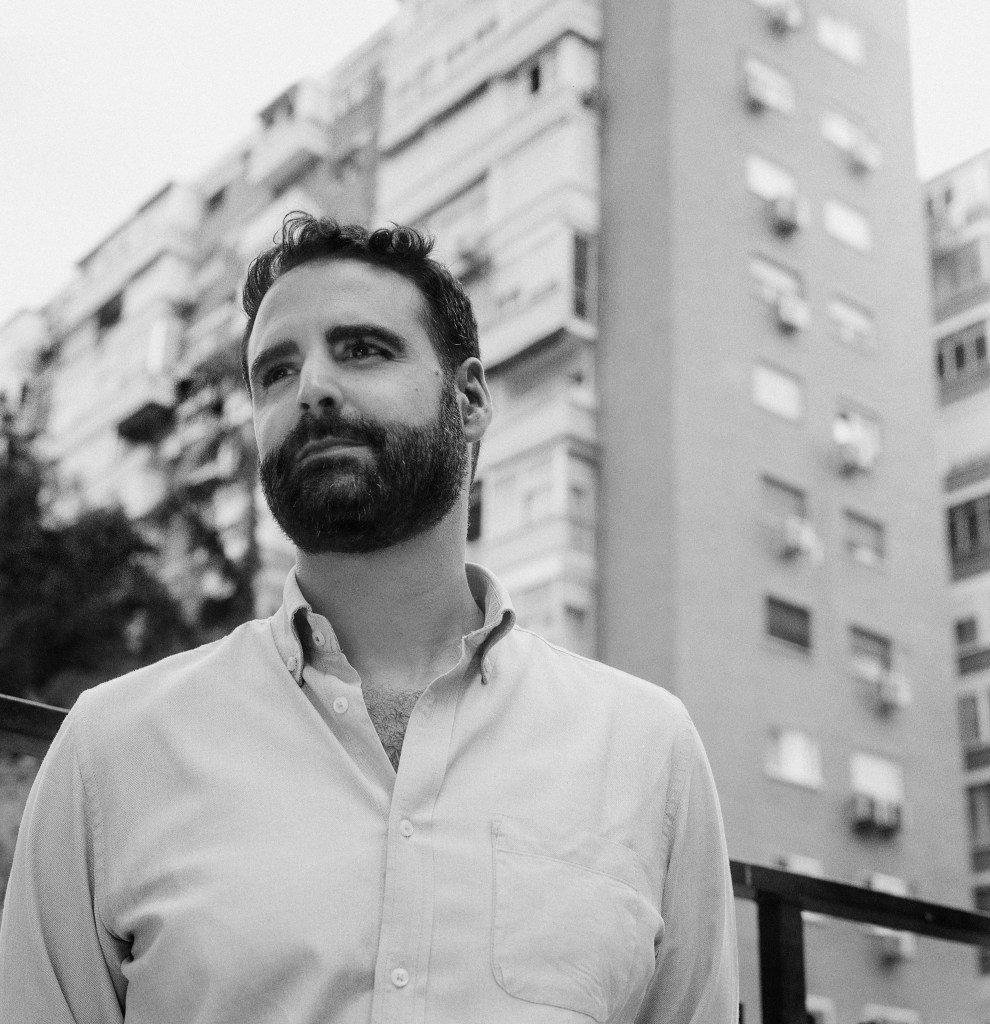
Ruins are often perceived as undesirable, uncomfortable spaces. The ‘modern ruin’ concept offers a space for critique, reflection, and creative engagement. Dr Pablo Arboleda’s research embraces the ambivalent nature of post-industrial and unfinished sites—always fluctuating between tragedy and fascination, frustration and hope, memory and futurity. His methodology includes experimental videos, photo-essays, photo-comics, poems, and video-poems.

Curated decay
at Kilmahew-St Peter’s
- 4:00 – 5:30pm, Tuesday 10 June, 2025
- H5, Pathfoot Building, University of Stirling
- Zoom, pass 012091
In this talk, complementing Dr Pablo Arboleda, the Centre’s Dr Ruth Olden zooms in and out on one particular wall in the ruin of Kilmahew-St Peter’s. A team of artists, architects and designers worked together to deliver a novel and experimental approach to heritage site presentation and management, inspired by the emerging theories and practices of entropic heritage, intentional ruination, and ‘curated decay’.

The past and future of the imaginative brain
Thursday, May 15, 2025
The human brain has the remarkable capacity to transport the self into both the remembered past and the imagined future. The last two decades has seen considerable evidence from cognitive neuroscience to support the reconceptualization of episodic memory as future-oriented. Many theories start from the premise that remembering and imagining are distinct neurocognitive processes, and thus have to account for the overlapping cognitive and neural substrates, arguing for instance that details from episodic memories provide the content for imagining future events. Here, I draw on contemporary philosophical and neurocognitive perspectives to argue that, fundamentally, remembering and imagining are instantiations of the same neurocognitive process – constructive episodic simulation – and that apparent differences between past and future events arise largely from differences in representational content
a
Sites of memory, trauma, conscience: five conversations
Associate Professor Maria Tumarkinvey
Wednesday, April 16, 2025
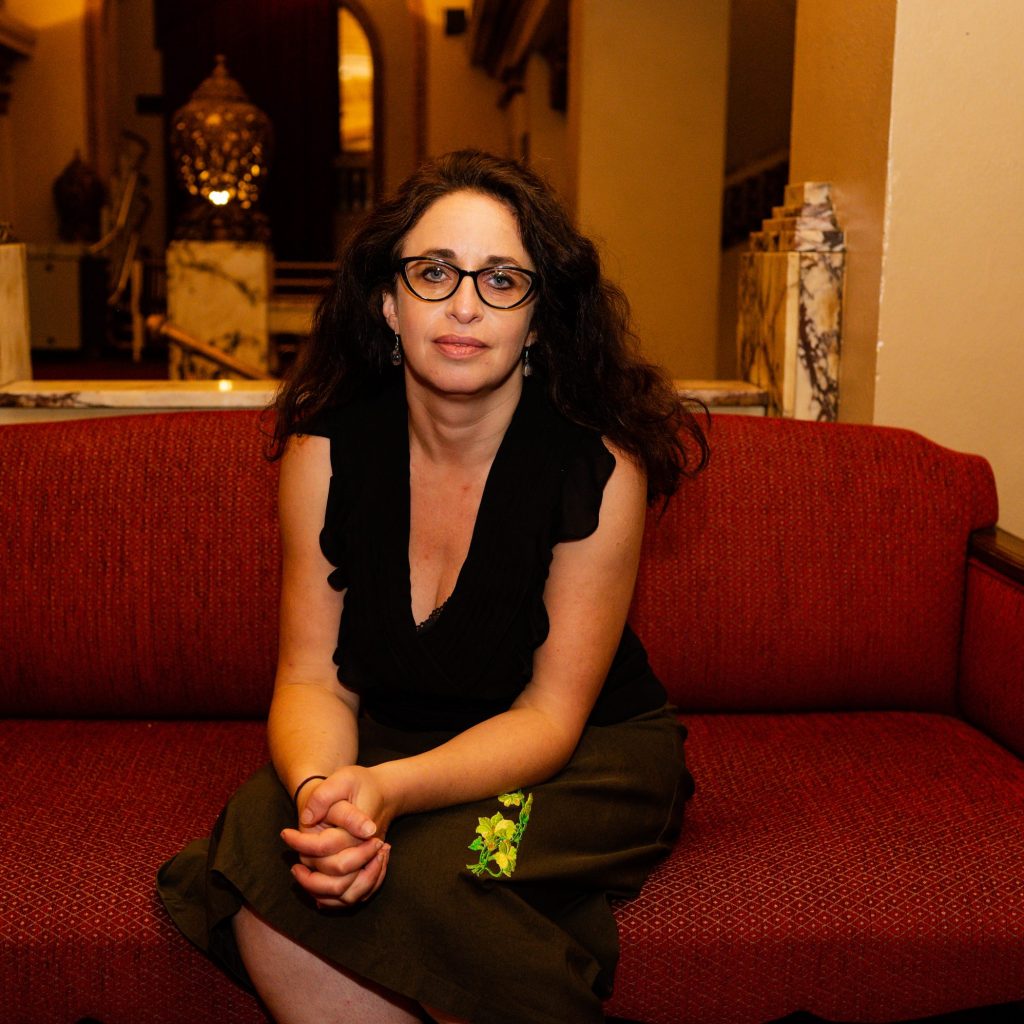
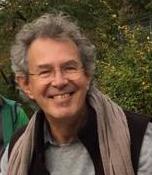
Thinking, for me, is impossible without conversations. I take to heart the way the late Ross Gibson saw and practiced conversations as ‘events where turns happen’, linking them persuasively to the tropics – ‘places where ship captains changed direction’. This talk is fuelled by conversations with five artists about their work in response to place–memory–loss entanglements.
Spatial Markings and Growing from stems: planting memory in Bimadbn
Tuesday, April 15, 2025
From cathedrals to dreaming sites, every culture needs its monuments. Across the Morehead District (Western Province, Papua New Guinea) villages and other places are named after ‘witness trees’ planted by ancestors in their travels, and invoked by their descendants as proof of their rights to these clan lands. Thus the village of Bimadbn is literally ‘stem of the rattan tree (bima)’, and its neighbouring village of Bévdvn, is ‘stem of the breadfruit tree (bév)’. The landscape and built culture of Southern New Guinea conspire to erase physical memory. In the ever-changing environment of mud, plant and water there is no rock to serve as durable traces of the past. Against this mutable environment, stability of external memory is given by ‘witness trees’, whose oral history is scrupulously maintained.
a
Vital Spaces: life, feeling, mood and atmosphere
Wednesday, February 12, 2025
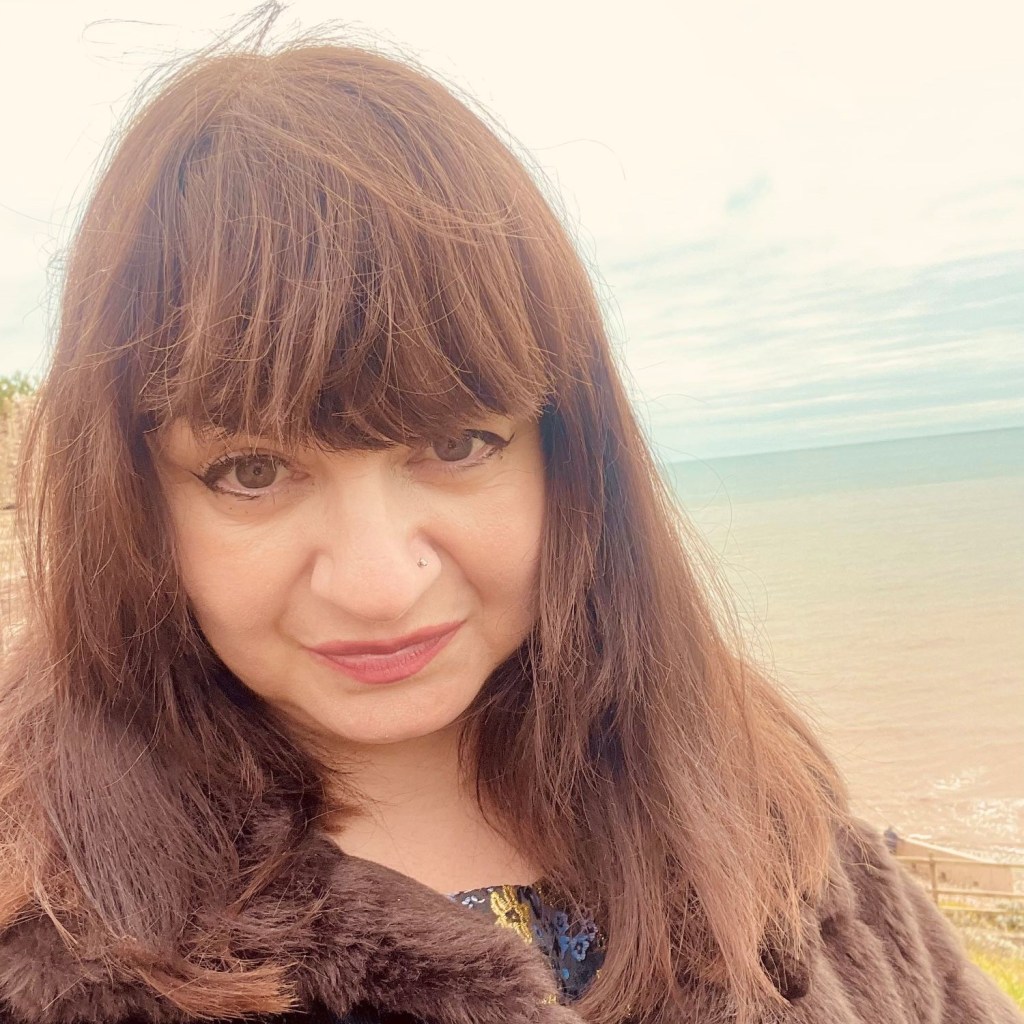
Paula and Professor Steven Brown have worked together on many projects in memory and place, covering mental health environments, older adult care facilities, community groups and more. This lecture addresses the concept of vitality and its applications in case studies of place-making and remembering in specific ecological settings.

Spatial Markings and Memory: mental health institutions and the life of remembering
Wednesday, October 9, 2024
Paula discussed the concept of ‘expanded memory,’ which emphasises the importance of place and space in the process of remembering, illustrated with case examples from empirical work on institutional mental health practices. Expanded memory models in mental health care could aid recovery by creating stronger relations between people, and connections between past, present, and future that take seriously the role of the space and place itself.
all enquiries to placememory@stir.ac.uk
subscribe for occasional updates by email about our activities
Designed with WordPress
 Centre for the Sciences of Place and Memory